23 May 2026
How to choose a food and wine experience in Victoria: what to look for before you book
By Mirna Ari, Founder
Planning a food and wine day in Victoria comes down to two questions: which region, and what shape of day. The three regions most accessible from Melbourne are the Yarra Valley, the Mornington Peninsula, and the Bellarine. Each has a distinct climate, a distinct kitchen culture, and a different feel as you move through the day. Format matters as much as region: a self-directed cellar-door day, a guided group, and a small-group producer-led experience are different categories of day, not just different price points. This guide is for anyone planning a day in Victoria’s wine country who wants to think the choice through before booking.
What to look for at a glance
- Victoria has 21 wine regions. The Yarra Valley, Mornington Peninsula, and Bellarine Peninsula are the most accessible from Melbourne.
- Format matters more than destination. Self-directed, guided group tour, and small-group curated experiences are different days in kind, not just in price.
- Group size determines the quality of access. Smaller groups get winemaker and chef time. Larger groups get a tasting counter.
- Each region has a distinct kitchen culture, shaped by its climate and producers.
- Autumn and spring offer the best conditions for most of Victoria’s wine regions.
Decide on the format first
Before region, before winery, before the specifics of what is on offer, the most important question is format. Three main categories cover most of what is available.
The self-directed day. You drive, you choose, you stop where the mood takes you. Cellar doors are open to walk-ins across most regions. You will find a tasting flight, a knowledgeable person to explain what is in the glass, and the freedom to leave when you like. It is the most flexible option and typically the least expensive. The trade-off is that the day has no arc. Each stop is independent. The sequencing, the pacing, and the quality of any meal are entirely down to what you find along the way.
The guided group tour. A coach or van, a predetermined route, typically twenty or more guests, a guide, and a fixed itinerary. These tours are well-run and efficient. They are useful if you want transport managed for you or prefer the structure of a set program. The experience is necessarily standardised. Winemaker access is limited to a tasting counter. The table is not set for the kind of conversation that happens in a smaller group.
The small-group producer-led experience. Fewer guests, a considered itinerary, producers or chefs present in a meaningful way, food integrated with the wine rather than added as an accompaniment. This is a more expensive category, for the same reason a booked restaurant costs more than a pub. The day has a shape. The stops have been chosen because they work in sequence, not because they are convenient on a route.
Understanding which of these suits you clarifies almost everything else about how to choose.
Group size changes the quality of access
If you are considering a small-group or producer-led experience, group size is worth examining before price.
Chef’s table formats, the closest precedent for this kind of day, typically seat between two and twelve guests. The most common ceiling for an intimate format is around six to eight. That is not arbitrary. At ten or twelve, conversation splits into sub-groups at each end of the table. The winemaker addresses the room rather than talking with it. The pace of the meal is set by the slowest consensus, not by the natural rhythm of the people present.
At six, a producer can have a genuine conversation with everyone. Questions are real questions, not answers prepared for a group. The meal takes the time it takes. The connection to the people pouring the wine and cooking the food is qualitatively different.
If a small-group experience caps at twenty, it sits in a different category from one that caps at six. The number tells you what kind of access to expect.
What “curated” actually means
The word curated appears throughout food and wine marketing. It is worth knowing what it should mean before accepting it at face value.
A genuinely curated experience has been designed with specific outcomes in mind. The stops have been chosen for how they work together, not because they are easy to book in sequence. The food and wine are in conversation, not simply present at the same time. The structure of the day has been considered: what comes first, how the palate is prepared for what follows, when the experience rests and when it pushes.
Tourism Australia’s Ultimate Winery Experiences program offers a useful reference. To qualify, an experience must demonstrate winemaker or chef-led engagement, food integration, and behind-the-scenes access that a walk-in tasting does not provide. The accreditation exists because the industry recognises these as genuinely different categories, not just different price points.
When assessing what is on offer, the markers of genuine curation are: named producers or chefs with actual roles on the day, seasonal menus that reflect what the kitchen is working with, and an itinerary that has a reason for its structure beyond logistics.
The region shapes the food as much as the wine
Victoria’s main day-trip wine regions each have a distinct character, and that character extends into the kitchen.
Yarra Valley
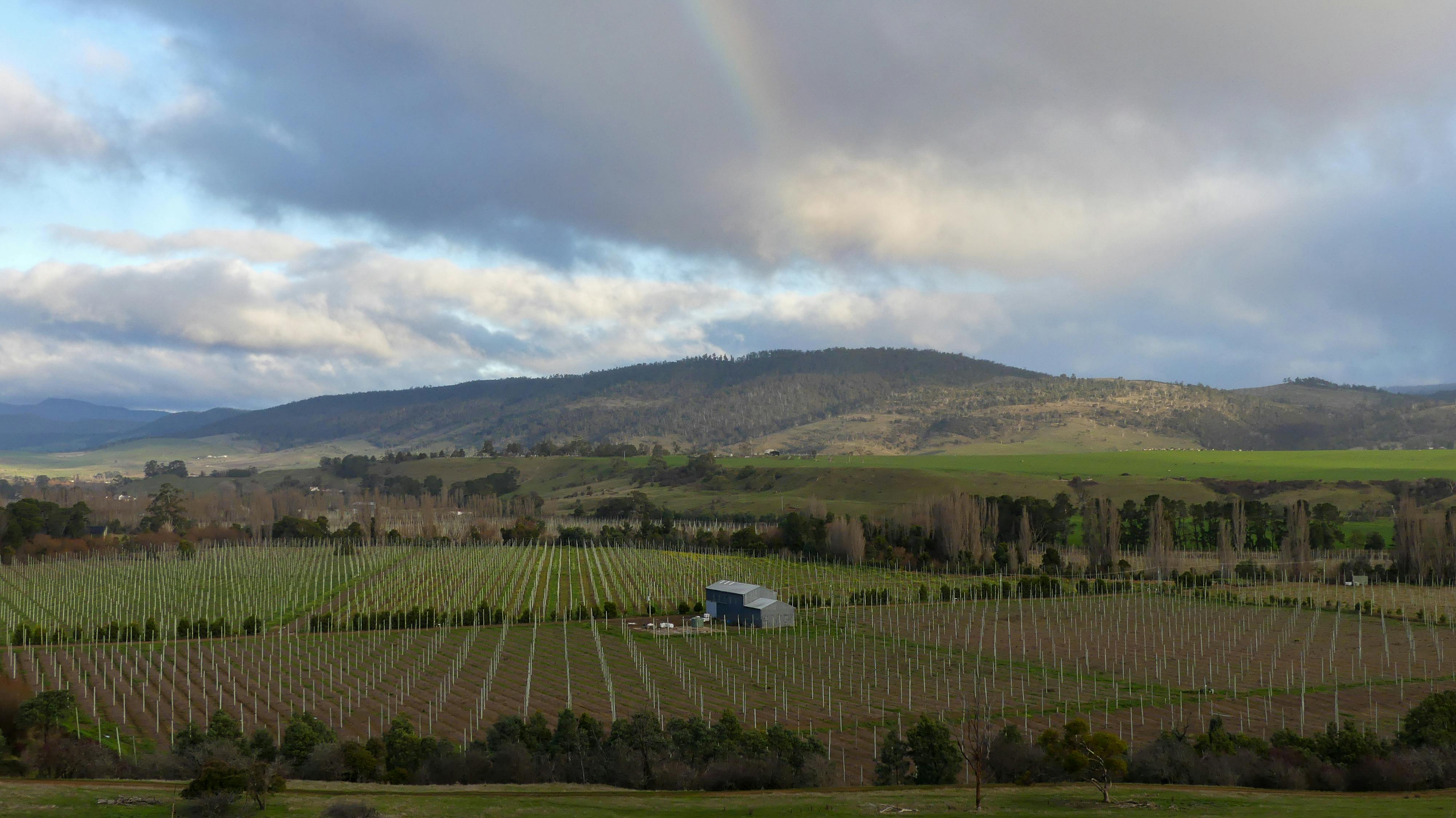
Victoria’s oldest wine region, with vines first planted in 1838 at Yering Station. The Yarra Valley sits approximately 50 kilometres north-east of Melbourne, around one hour’s drive. More than 80 wineries operate across a geographical indication of 3,130 square kilometres, with elevations ranging from 50 metres on the valley floor to 430 metres in the Upper Yarra, where conditions are markedly cooler.
Pinot Noir and Chardonnay are the regional signatures. The Yarra Valley holds the coolest mean January temperature of any Victorian wine region at 18.9 degrees Celsius, a figure that shapes the slow ripening and high natural acidity that define its best wines. The estate kitchen culture here runs deep, with several properties operating serious restaurants alongside their cellar doors. The reds of the Yarra Valley are built for the table: structured, detailed, and best understood with food alongside them.
Mornington Peninsula
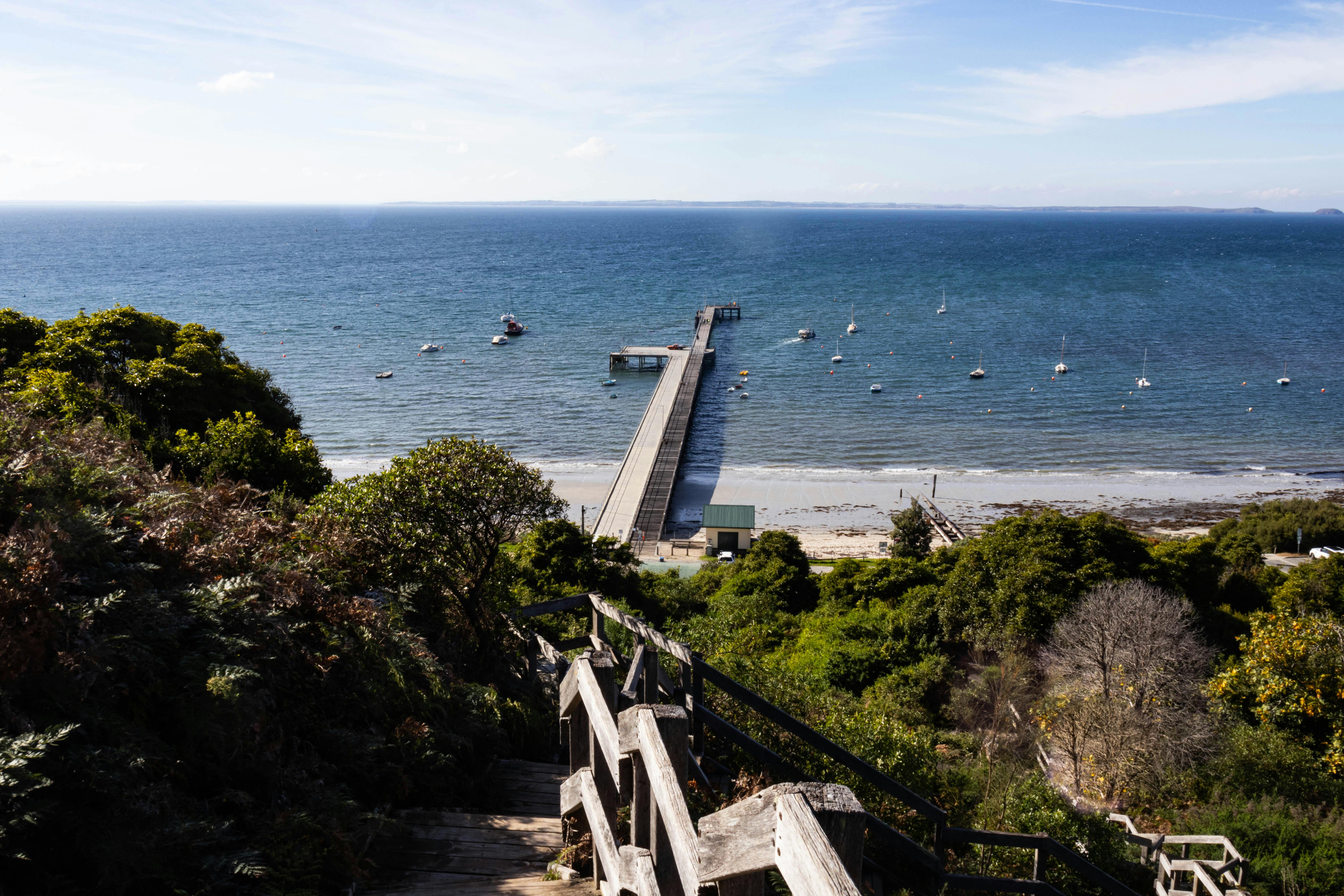
Less than an hour south-east of Melbourne, the Mornington Peninsula has developed quietly into one of Australia’s most respected cool-climate wine regions. More than 200 small-scale vineyards, over 50 cellar doors open to visitors, and approximately 1,100 hectares under vine. Pinot Noir is the flagship, accounting for around half of all plantings and over nine percent of Australia’s total Pinot Noir production, making it the country’s third-largest Pinot Noir region.
The maritime climate, shaped by Port Phillip Bay, Western Port Bay, and Bass Strait, produces prolonged, gentle autumns that allow full ripening with high natural acidity. The kitchen culture has followed the wine: what the Mornington Peninsula does with a kitchen reflects a discipline built around proximity, with produce relationships often running between a kitchen and its immediate surrounds. Ten Minutes by Tractor operates an estate restaurant where the menu is built from what the farm and the region are producing that week. The access is different in kind from a tasting counter: there is a person to ask, and the answer is specific.
Bellarine Peninsula
Around 70 to 90 kilometres south-west of Melbourne, the Bellarine Peninsula sits within the Geelong wine geographical indication. The Geelong region overall has more than 150 vineyards and 60 wineries, with the Bellarine distinguished by its geology: basalt over limestone soils on an undulating plain rising to around 150 metres. The climate sits between Bordeaux and Burgundy in character, warm days and cool nights producing wines with structure and restraint.
Pinot Noir, Chardonnay, Pinot Gris, and a floral, peppery style of Syrah do well here. Commercially, the Bellarine remains less developed than the Yarra or Mornington, which means most producers are still family-owned and operating at a scale where genuine contact with the people behind the wine is possible. Oakdene Vineyards runs an estate restaurant with a kitchen garden on the property. At this scale, the person who grew what is on your plate can explain the soil it came from.
A comparison to help you decide
| Feature | Self-directed | Guided group tour | Small-group set |
|---|---|---|---|
| Group size | Your own group | Typically 20+ | Usually 4 to 8 |
| Pacing | Your choice | Fixed itinerary | Set, unhurried |
| Producer access | Cellar door staff | Tasting counter | Winemaker or chef direct |
| Food | You choose | Included, standard | Integrated, seasonal |
| Transport | You drive | Included | Varies by operator |
| Flexibility | High | Low | Low to medium |
| Price range | Low to moderate | Moderate | Premium |
Seasonality is worth thinking about
Most people choose dates based on availability. Spending a little time on when is worth it.
Autumn, roughly March to May, is the preferred season for most of Victoria’s wine regions. Harvest runs from February into April depending on the variety and the year. The landscape changes noticeably during vintage: activity in the vineyards, the smell of fermentation near open cellar doors, the first cool evenings of the season. Estate kitchens track the change closely. Stone fruit gives way to brassicas and slow braises. The character of a day in autumn is different from the same drive in summer.
Spring, September to November, offers a different quality. Flowering vines, cool mornings that warm steadily through the day, and the anticipation of a new growing season. It is a quieter time in most regions, which has practical advantages: bookings are easier, crowds smaller, and the estates unhurried.
Summer visits, particularly January and February, come with heat. Some regions handle this better than others. The Mornington Peninsula’s maritime climate moderates summer temperatures in a way the Yarra Valley does not always manage. If visiting in summer, consider the region’s exposure before booking.
Practical things to check before you book
What is actually included. Some experiences include transport; others do not. Some integrate food as the centrepiece; others offer it as an accompaniment. The difference between a matched long lunch and a grazing platter alongside a tasting flight is significant. Read the description carefully before you pay.
The cancellation policy. Small-group experiences with set itineraries and limited guest numbers typically have tighter cancellation terms than open cellar doors. Know what you are committing to.
Dietary requirements. Small-group experiences with a set menu need advance notice for dietary restrictions. Ask before booking, not after.
Travel time between stops. This matters in a progressive format. A day built around estates fifteen minutes apart is a different experience from one where the drive between the second and third stop is forty-five minutes each way. The drive can be part of the day, but only if it has been designed that way.
The Makers’ Circuit
The Makers’ Circuit is a small-group progressive dining experience across three Victorian estates. Groups of up to six guests move through a morning cellar door, a midday long table, and a final afternoon estate, with producers and chefs present throughout. Editions are set in different Victorian regions each season. If you are considering this kind of day, you can register your interest and we will be in touch when the next edition is available.
Frequently asked questions
What is the best time of year to visit Victoria’s wine regions?
Autumn (March to May) and spring (September to November) offer the best conditions. Autumn aligns with harvest activity, cooler temperatures, and the season’s best produce in estate kitchens. Spring is quieter and still. Summer visits are possible but can bring heat in some regions; the Mornington Peninsula’s maritime climate is more moderate than the Yarra Valley in January and February.
What is the difference between a cellar door visit and a curated food and wine experience?
A cellar door is the tasting room at a winery, typically open to walk-in visitors for tastings and purchases. A curated experience is designed around a specific itinerary, usually with winemaker or chef-led engagement, food integrated with the wine, and access to producers in a meaningful way. Tourism Australia’s Ultimate Winery Experiences program formally accredits operators that meet these criteria.
Which Victorian wine regions are easiest to reach from Melbourne?
The Yarra Valley is approximately 50 kilometres north-east of Melbourne, around one hour by road. The Mornington Peninsula is less than an hour south-east. The Bellarine Peninsula sits around 70 to 90 kilometres south-west. All three are accessible as day trips without overnight accommodation.
What is a progressive dining experience?
This is exactly what The Makers’ Circuit does. A progressive dining experience is a format in which each course of a meal is served at a different location, with guests travelling between venues as the day progresses. Applied to Victoria’s wine regions, this means moving between estates, with food and wine at each stop, rather than spending the full day at a single cellar door or restaurant. The format turns the journey between estates into part of the experience itself.